GPhC-registered pharmacies · London & Nottingham | Free UK delivery: eligible orders £50+; selected items £60+ | Find your branch


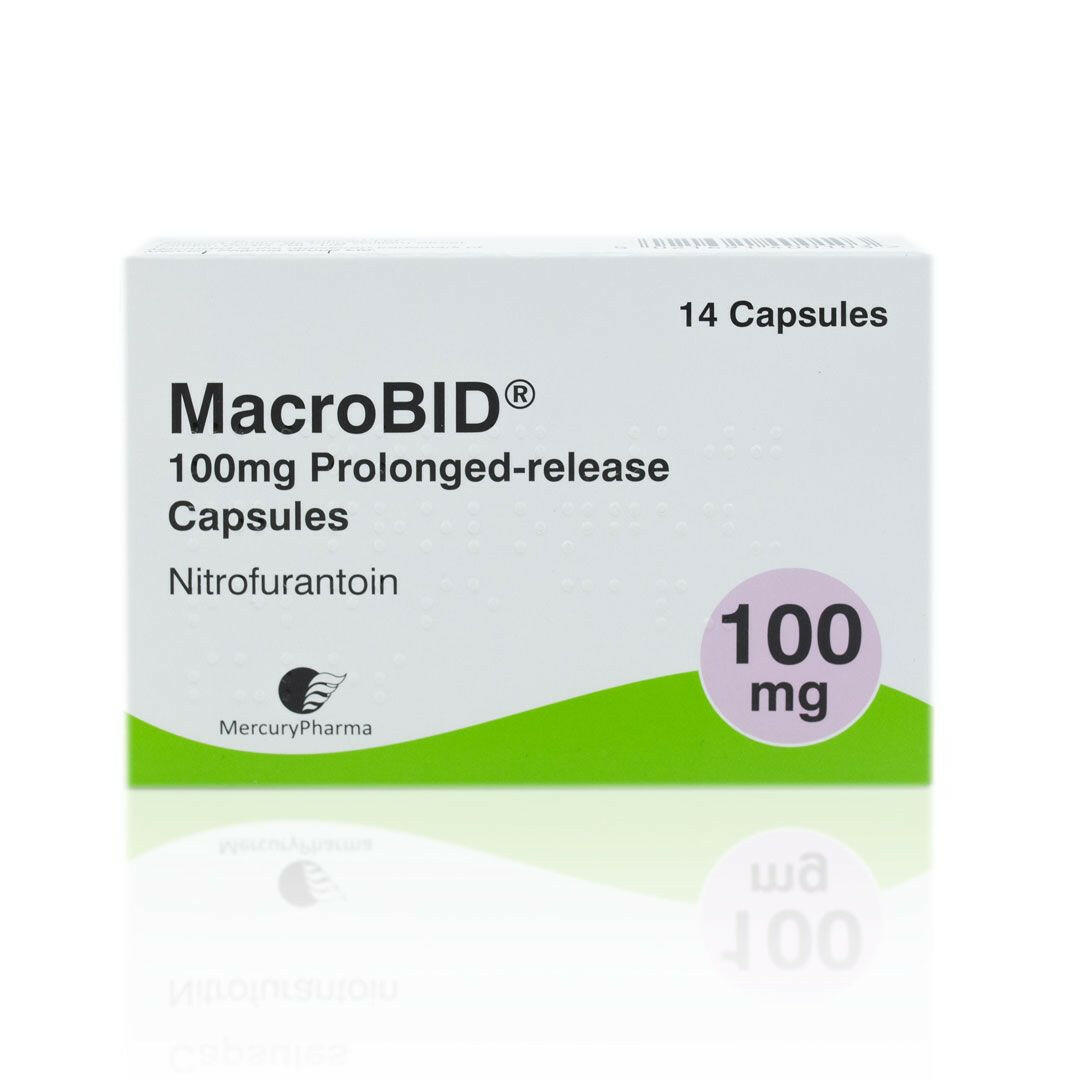


Nitrofurantoin is a prescription-only antibacterial medicine for acute uncomplicated lower urinary tract infection; each clinically approved 3-day course contains 6 capsules sold by Ways Pharmacy (UK).
Key facts
| Active ingredient | Nitrofurantoin |
|---|---|
| Format | Capsules |
| Pack | 3-day course containing 6 capsules |
| Licensed use | Acute uncomplicated lower urinary tract infection |
| Legal classification | POM — Prescription Only Medicine |
| Supply | Only after clinical consultation and approval |
Who it is for
- Patients for whom a prescriber or pharmacist has confirmed that nitrofurantoin is appropriate for an acute uncomplicated lower UTI.
Not suitable for: Do not use without clinical approval. The consultation assesses symptoms, pregnancy, kidney function, allergies and other factors that may require different care.
How to use
- Complete the clinical consultation before supply.
- Read the dispensing label and Patient Information Leaflet (PIL).
- Take the 6-capsule course exactly as prescribed and complete the course.
- Ask the pharmacy team if the strength or any instruction is unclear.
Frequently asked questions
What is nitrofurantoin used for?
Nitrofurantoin is used here for clinically approved treatment of acute uncomplicated lower urinary tract infection.
How many capsules are in the course?
The selected course contains 6 capsules for 3 days.
Where is the capsule strength confirmed?
The capsule strength is confirmed on the dispensing label and in the PIL; follow those instructions exactly.
Is a consultation required?
Yes. Nitrofurantoin is a prescription-only medicine and supply depends on clinical approval.
Safety and storage
- Use only for the patient and course prescribed.
- Complete the prescribed course unless a clinician tells you to stop.
- Store in the original packaging as stated on the label and keep out of reach of children.
- Read the PIL. Report suspected side effects through the MHRA Yellow Card scheme.
This page provides factual information about a prescription-only medicine and is not an advertisement to the public. Supply requires clinical approval.
Related products

Frequently Asked Questions
Can I prevent UTIs while using Nitrofurantoin?
Yes, drink plenty of water, urinate regularly, and wipe front to back after using the toilet to help prevent future infections. Wearing breathable underwear and avoiding irritating products may also help. Start Consultation to receive safe and pharmacist-approved UTI treatment.
What happens after I order Nitrofurantoin online?
After you Start Consultation and select your treatment, our admin team carefully reviews your health information and chosen medication. If your selection isn’t the most appropriate, a pharmacist will suggest a safe alternative. Once approved, your order is sent out quickly and discreetly—no follow-up action required.
How should I take Nitrofurantoin for best results?
Nitrofurantoin is usually taken twice daily with food to help absorption and reduce stomach upset. It's important to complete the full course, even if symptoms improve early. Start Consultation, choose your treatment, and once our team reviews and approves your order, it will be dispatched without any further steps needed.
Who can take Nitrofurantoin and are there any risks?
Nitrofurantoin is generally suitable for adults and older children but may not be appropriate if you have kidney issues or certain allergies. To confirm if it’s right for you, Start Consultation and complete the short health questionnaire—if it’s not suitable, our pharmacist will recommend an alternative before proceeding with your order.
What is Nitrofurantoin and how does it treat urinary tract infections (UTIs)?
Nitrofurantoin is an antibiotic used to treat and prevent urinary tract infections by killing the bacteria that cause them. It’s commonly prescribed for uncomplicated UTIs and works best when taken at the first sign of symptoms. To begin treatment, Start Consultation, select and pay for your medication, and our admin team will review your order to ensure it's safe and appropriate.

Reviewed Date
04 June 2025
Published On
04 June 2025
Last Updated
04 June 2025

Pharmacist-led care · English & 中文
Free UK delivery: eligible orders £50+; selected items £60+