GPhC-registered pharmacies · London & Nottingham | Free UK delivery: eligible orders £50+; selected items £60+ | Find your branch


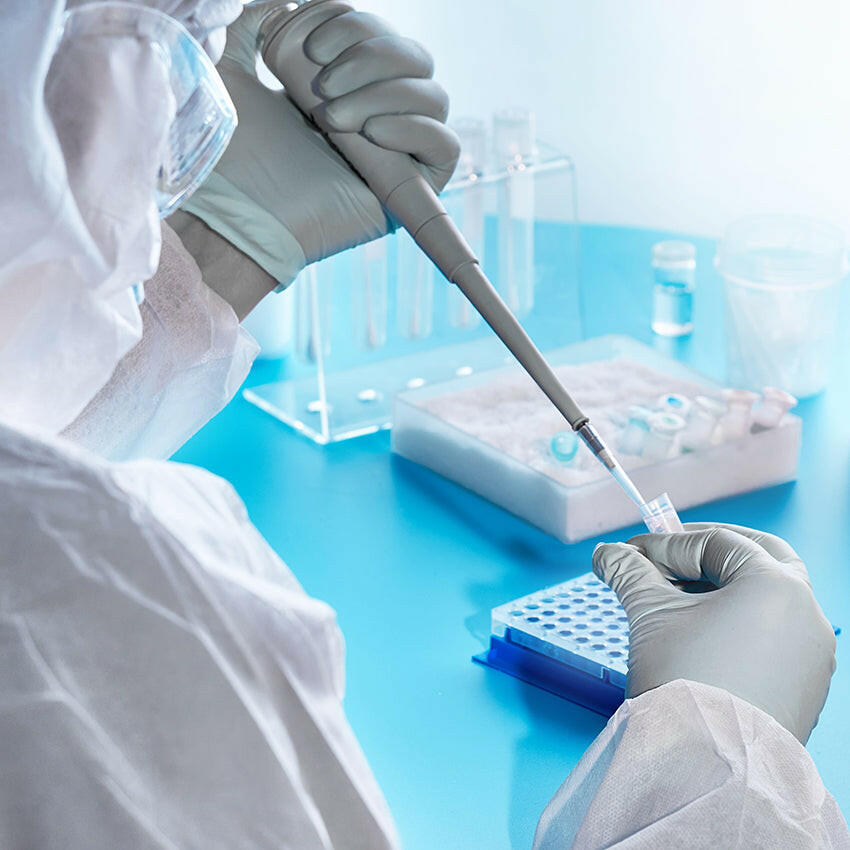


Male hormone health detection (special version of men) 10 health indicators-In Store/Home
£149.00
You are prepaying for the selected blood-testing service. Choose the correct in-store or at-home option. In-store times are confirmed by the pharmacy; home-test options collect a delivery address at checkout. Results provide health information and are not a diagnosis.
- Choose the blood test and collection method
- Pay securely online
- The pharmacy confirms location and time
- Sample collection and laboratory analysis
SKU WY0033219S-1

The Male Hormone Profile is a 10-marker blood test covering the full range of male sex hormones — testosterone, free testosterone, LH, FSH, prolactin, DHEAS, SHBG, oestradiol and more — processed by London Medical Laboratory (LML), a UKAS-accredited ISO 15189 laboratory, and sold by Ways Pharmacy (UK).
Key facts
| Test type | Comprehensive male hormone blood profile |
|---|---|
| No. of biomarkers | 10 — 9 hormone markers plus albumin |
| Timing | Morning sample (ideally 7am–10am), when testosterone is highest |
| Sample | Blood — in-store phlebotomy or at-home finger-prick |
| Laboratory | London Medical Laboratory (LML) — UKAS-accredited (ISO 15189) |
| Turnaround | Typically 3–5 working days from when the lab receives your sample |
| Options | In-store at Holborn London, or at-home self-collection kit |
| Sold by | Ways Pharmacy, UK (GPhC-registered) |
Who it is for
- Men with symptoms of hormonal imbalance — low energy, low libido, reduced muscle strength, low mood — wanting a comprehensive picture
- Men over 30 monitoring hormones that decline gradually with age
- Men being investigated for low testosterone, fertility concerns or erectile dysfunction who want the fuller hormone context
- Men on hormone therapy who need to monitor the full hormone panel, not testosterone alone
Not suitable for: people wanting a whole-body health screen (consider the Well Man Premier Plus Profile); acutely unwell people who need urgent assessment; replacement for assessment by a doctor.
What is measured
- Testosterone — the main male sex hormone for libido, muscle, bone and red blood cell production
- Free Testosterone (calculation) — the biologically available fraction of testosterone
- Free Androgen Index — a calculated index relating testosterone to SHBG
- Sex Hormone Binding Globulin (SHBG) — governs how much testosterone is available to your tissues
- Luteinising Hormone (LH) — stimulates testosterone production
- Follicle Stimulating Hormone (FSH) — stimulates sperm production
- Prolactin — helps balance testosterone production
- Oestradiol (E2) — a small amount of testosterone converts to oestradiol, important for libido and sperm production
- DHEA-Sulphate (DHEAS) — a precursor needed to make testosterone and oestradiol
- Albumin — a blood protein used in calculating available testosterone
How it works
- Complete payment online and choose your option: an appointment at Holborn London, or an at-home self-collection kit posted to you.
- Plan a morning sample. Testosterone is highest between about 7am and 10am, so collect or attend in this window where possible.
- For in-store, attend Ways Pharmacy, 77 Southampton Row, London WC1B 4ET, where a trained operator takes a blood sample. For at-home, follow the kit instructions to collect a finger-prick sample and return it in the prepaid packaging.
- Your sample is sent to London Medical Laboratory for analysis.
- You receive a written report with each marker against its reference range, typically within 3–5 working days. A pharmacist can talk you through it and recommend GP follow-up where appropriate.
Frequently asked questions
What time of day should I take this test?
Testosterone is highest in the morning, so the sample is ideally taken between 7am and 10am. A morning sample gives the most reliable reading; if results are borderline, the pharmacist may suggest repeating in the morning.
How is this different from a single testosterone test?
A single testosterone test measures one hormone. This profile measures the wider network — LH, FSH, prolactin, DHEAS, SHBG and oestradiol alongside total and free testosterone — which helps show why a level might be high or low, not just what it is.
How long do results take?
Results are typically returned 3 to 5 working days after London Medical Laboratory receives your sample. You will receive a written report showing each marker against its reference range.
Is the laboratory accredited?
Yes. Samples are processed by London Medical Laboratory (LML), a UKAS-accredited laboratory operating to ISO 15189, the international standard for medical testing laboratories.
What if a result is abnormal?
An out-of-range result does not diagnose a condition on its own. The pharmacist will explain what it means and recommend appropriate follow-up, which may include a repeat morning sample or referral to your GP. Reference ranges are provided with your report.
When to seek further advice
This profile does not diagnose a condition. Reference ranges are provided with your report; discuss your results with a clinician, and if a result is abnormal, follow it up with your GP. Seek prompt medical advice if you feel acutely unwell.
This is a private health screening service. Results are interpretive and do not replace clinical diagnosis by a GP or specialist. Abnormal results should be followed up with your GP.
Related products


Pharmacist-led care · English & 中文
Free UK delivery: eligible orders £50+; selected items £60+